History of the Province of Lincolnshire
The Antiquarian Beginnings (1726–1791)
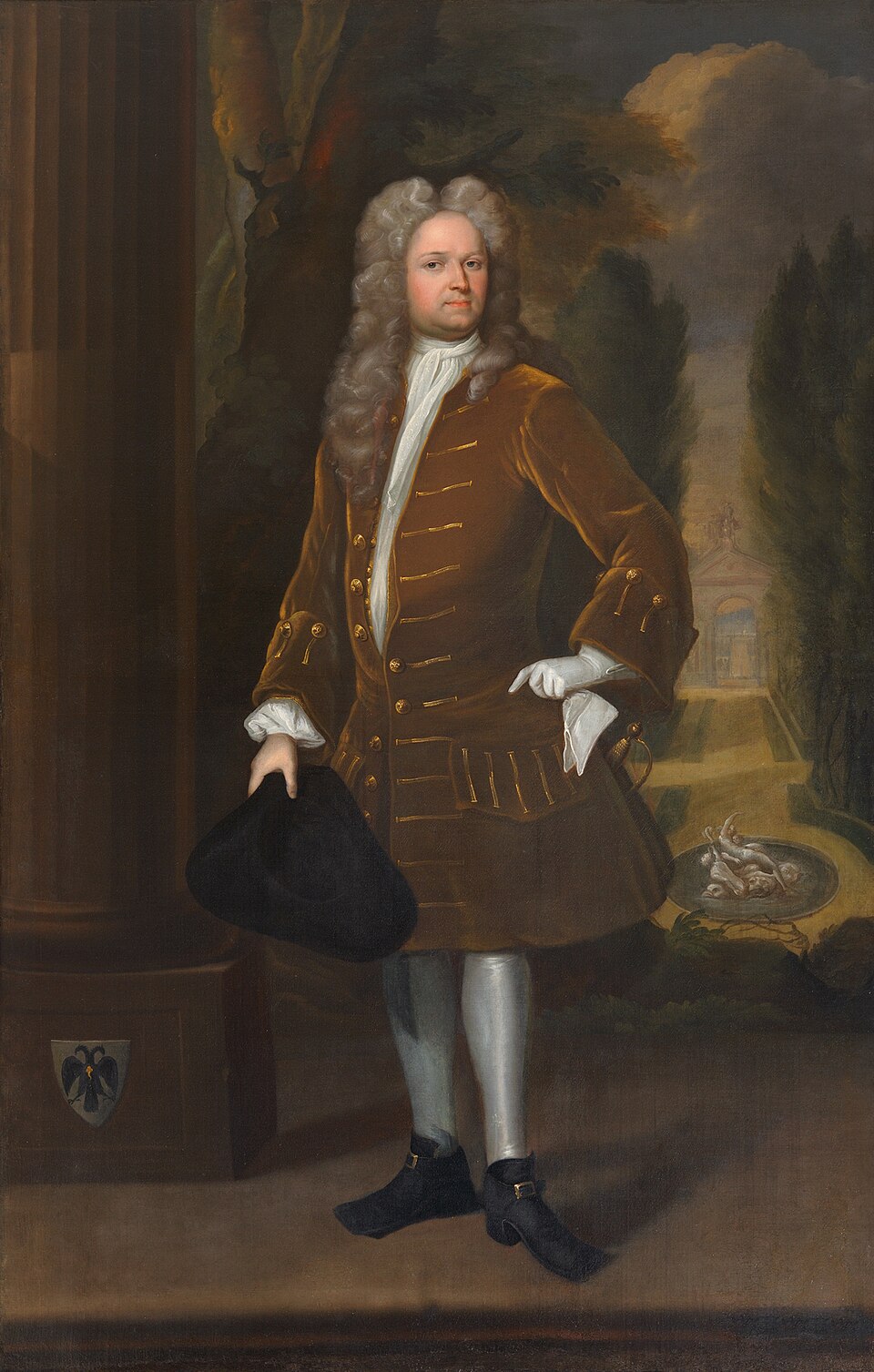
The formally recorded history of Freemasonry in Lincolnshire begins with one of the most prominent antiquarians of the Enlightenment: Dr. William Stukeley.
Born in Holbeach, Lincolnshire, Stukeley was a pioneering archaeologist, a clergyman, and a close personal friend of Sir Isaac Newton. According to his own detailed personal journals, Stukeley "set up a lodge of Freemasons in Grantham" in 1726. While this early lodge operated without a permanent warrant from the premier Grand Lodge in London and eventually dissolved, it marks the first definitive footing of the Craft in the county.
Shortly thereafter, early operative and speculative masonic groups began to coalesce in the historic city of Lincoln:
The Old Lincoln Lodge (No. 73): Formed on September 7, 1730, under the mastership of Sir Cecil Wray.
Angel Above Hill (No. 166): Warranted on December 23, 1737, this lodge met at the historic Angel Inn, an establishment built on land near Eastgate and rumoured to have been designed by Sir Christopher Wren.
As distance and travel in the 18th century made communication difficult, these early city lodges eventually lapsed in their attendance at quarterly communications in London and were erased by the Grand Lodge in the mid-1700s. However, the foundational culture had been established.
The Birth of the Province & The Era of William Peters (1792)
By the late 18th century, a network of permanent lodges emerged across Lincolnshire’s market towns:
St. Matthew Lodge (Barton-on-Humber)
Prince of Wales Lodge (Gainsborough — later renamed Yarborough Lodge)
Doric Lodge (Grantham — warranted October 1, 1791)
Recognizing the need for regional governance, the Grand Lodge authorized the formation of a localized jurisdiction. On June 21, 1792, the very first Provincial Grand Lodge of Lincolnshire was formally convened at the George Inn in Grantham.
The premier Provincial Grand Master installed that day was the Rev. William Peters, a fascinating historical figure who served as the Grand Portrait Painter to the Grand Lodge in London. Under his stewardship, Lincolnshire Freemasonry transitioned from isolated town clubs into a unified administrative body. Rev. Peters famously painted the original banner for Doric Lodge in 1791—leaving his artist's mark via a hidden painter’s palette at the bottom—a priceless artifact that still hangs behind the Master's chair in Grantham today.
Growth, Union, and The Influence of Dr. George Oliver
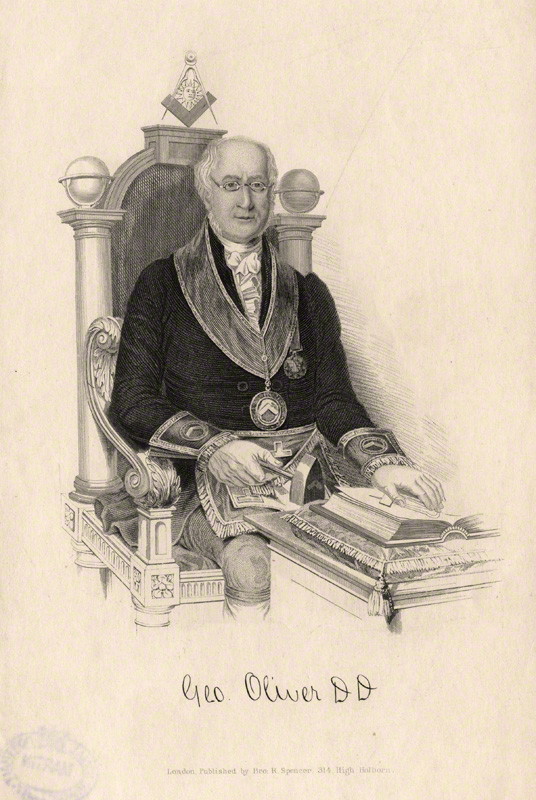
Following the landmark Union of 1813, which merged the rival "Antients" and "Moderns" Grand Lodges into the United Grand Lodge of England (UGLE), Lincolnshire entered a golden age of expansion. This era was defined by the academic and ritualistic contributions of Dr. George Oliver, who served as the Deputy Provincial Grand Master for Lincolnshire in the mid-19th century.
Dr. Oliver was arguably the most prolific masonic author of the Victorian era. Operating from his bases in Grimsby and Lincoln, his textbooks, historical treatises, and philosophical guides standardized ritual practice across the entire country. Under his guidance, foundational county lodges flourished:
The Witham Lodge No. 297 (Lincoln): Became the intellectual powerhouse of the county, retaining immense historical archives that detailed the shift from public tavern meetings to dedicated masonic halls.
St. Botolph’s Lodge No. 588 (Boston/Sleaford): Formed in Boston in 1851 before transferring its seat to Sleaford in 1856, it acted as the mother lodge to vast swathes of central Lincolnshire Masonry.
Institutional Stability and Wartime Impact
As the 19th century bled into the 20th, the Province was overseen by highly stable leadership, heavily drawing from the local aristocracy. Notably, the Earls of Yarborough maintained a deeply ingrained ancestral connection to the Province, serving as Provincial Grand Masters over multiple generations. Since the founding of the Province in 1792, Lincolnshire has uniquely seen fewer than 20 men hold the title of Provincial Grand Master—a testament to the lifelong dedication and continuity of its leadership.
The World Wars heavily impacted the Province, reshaping its lodge rooms and memberships:
The Machine Gun Corps & Maguncor Lodge: During WWI, Belton Park near Grantham was utilized by the War Department to form the Machine Gun Corps. Soldiers stationed there with masonic credentials collaborated with Grantham’s Doric Lodge to form Maguncor Lodge No. 3806 in 1917, bridging military camaraderie with speculative masonry.
The Aviation Influence: Given Lincolnshire's geography as "Bomber County," WWII saw a profound influx of Royal Air Force personnel. Lodges like Daedalus Lodge No. 3843 (originally associated with the Royal Naval Air Station and RAF Cranwell) provided a critical sanctuary and brotherhood for military aviators.
Modern Administration and Progressive Companions
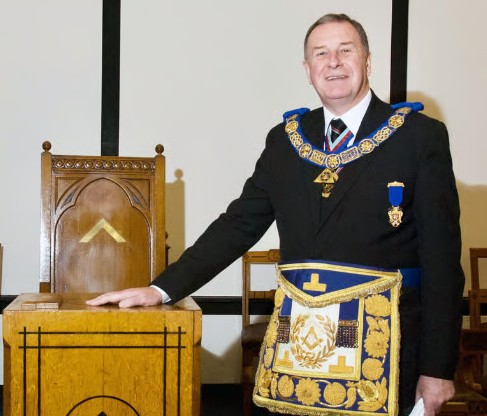
Today, the Provincial Grand Lodge of Lincolnshire oversees thousands of members meeting across more than 20 distinct Masonic Centres, ranging from coastal towns like Skegness and Cleethorpes to historic hubs like Boston and Spalding.
The Province is also unique for its deep commitment to "progressive" or "companion" masonic orders that enrich the foundational Craft degrees:
A Royal Arch Chapter is a prominent appendant body in Freemasonry that serves as the continuation—and often the traditional completion—of a Master Mason's journey. Operating either as the first part of the York Rite system (common in the Americas) or as the stand-alone Supreme Order of the Holy Royal Arch (practiced in the UK and Commonwealth), these chapters confer advanced degrees that build upon the philosophical foundations of standard Craft lodges. Members of a chapter are referred to as "Companions" rather than "Brothers," and their allegorical rituals focus heavily on the historical rebuilding of King Solomon's Temple and the recovery of lost ancient secrets. Ultimately, joining a Chapter offers Master Masons a deeper spiritual and historical perspective on the ethical lessons introduced in their initial degrees.